
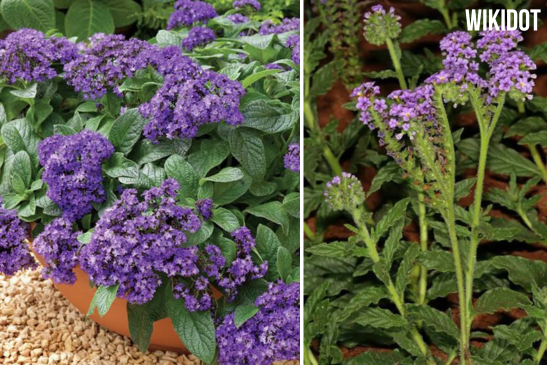
Few flowers pull double duty quite like heliotrope. It smells like dessert, it tracks the sun across the sky, and it has quietly decorated gardens for centuries. If you want a plant that rewards very little effort with a lot of charm, heliotrope deserves a spot on your shortlist.
This guide walks you through what heliotrope actually is, where it comes from, and exactly how to grow and care for it. Every detail here comes from trusted gardening and horticultural sources, so you can plant with confidence.
What Is Heliotrope?
Heliotrope (Heliotropium arborescens) is a shrub-like flowering plant known for its clusters of small, star-shaped blooms in purple, lavender, blue, or white. Gardeners often call it the “cherry pie plant” because its fragrance carries notes of vanilla, cherry, and a hint of almond, especially strong on warm evenings.
The plant belongs to the borage family (Boraginaceae) and grows naturally across North, South, and Central America. Some species tolerate arid deserts, others prefer moist woodlands, and a few even thrive in sandy coastal soil.
Heliotrope typically reaches 1 to 2 feet tall when grown as an annual. In frost-free climates, it can grow as a perennial and reach up to 4 feet.
Why Is It Called Heliotrope?
The name comes from two Greek words: helios, meaning sun, and tropos, meaning turn. Heliotrope flowers naturally orient themselves toward the sun as it moves across the sky, a trait shared by sunflowers and a few other plants.
This sun-tracking habit isn’t just a fun fact. It also explains why heliotrope needs generous sunlight to bloom well.
A Flower With History
Heliotrope was a favorite during the Victorian era, when fragrant garden plants were prized for filling outdoor spaces with scent. The flower even carries a literary footnote: it reportedly adorned the casket of American poet Emily Dickinson.
Today, heliotrope is making a comeback in cottage gardens, container displays, and fragrance-focused landscaping.
How to Grow Heliotrope
Heliotrope isn’t a fussy plant, but it does have a few non-negotiable needs. Get these right, and the plant rewards you with months of color and scent.
Sunlight
Heliotrope needs at least six hours of direct sun each day. Morning sun works especially well. In very hot climates, give the plant light afternoon shade to prevent the delicate flowers from scorching.
Soil
Choose rich, well-draining soil with a pH between 6.5 and 7.5. Heavy or compacted soil holds too much moisture and increases the risk of root rot. Mixing in compost before planting improves both drainage and nutrition.
Watering
Keep the soil evenly moist but never soggy. Water early in the day and try to keep the foliage dry, since wet leaves invite fungal problems. Container-grown plants dry out faster than those in the ground, so check them more often, particularly during hot weather.
Temperature
Heliotrope has almost no tolerance for cold. Temperatures below 40°F can damage or stunt the plant. Wait until all danger of frost has passed before planting outdoors, and bring potted plants indoors before the first fall frost if you want to overwinter them.
Fertilizing
Feed heliotrope regularly to keep the blooms coming. Outdoor plants generally need fertilizer once a month, while container plants benefit from feeding every two weeks with a liquid fertilizer formulated for flowering plants.
Pruning and Deadheading
Pinch back young plants to encourage a bushier shape. Once flowers begin to fade, deadhead them so the plant redirects its energy into new blooms instead of seed production.
Propagating Heliotrope
You can start new heliotrope plants from seed or cuttings.
From seed: Sow indoors from January to March in a bright, warm room (around 18–22°C). Press the seeds gently into the soil surface rather than burying them, since they need light to germinate. Germination usually takes 10 to 15 days, and seedlings can move outdoors around mid-May.
From cuttings: Take a healthy cutting about 10 cm long in either autumn or spring. Plant it in a container with potting soil and keep it watered. Roots and new growth typically form within a few weeks.
Popular Heliotrope Varieties
- Dwarf Marine: A compact variety with light purple, sweetly scented flowers.
- Blue Heliotrope: Known for its purple-blue blooms and near-continuous flowering.
- Princess Marina: An evergreen shrub with deep purple clusters and richly textured leaves.
- European Heliotrope: Unlike its fragrant cousins, this variety has an unpleasant scent and often grows wild as a weed.
Common Pests and Problems
Heliotrope is generally low-maintenance, but a few issues can appear under poor growing conditions:
- Pests: Whiteflies, mealybugs, spider mites, and aphids.
- Diseases: Powdery mildew, rust, and leaf spot, usually linked to overwatering or high humidity.
Good air circulation and careful watering prevent most of these problems before they start.
Is Heliotrope Toxic?
Yes. Every part of the heliotrope plant contains pyrrolizidine alkaloids, natural toxins the plant produces for self-defense. It’s especially dangerous to horses and other grazing animals, and it can also harm humans if ingested in quantity. Keep heliotrope away from curious pets and small children.
Design Ideas for Your Garden
Heliotrope’s compact, mounding shape and long bloom season make it a flexible addition to almost any garden style.
- Plant it along borders, walkways, or entryways where its fragrance can be enjoyed up close.
- Use it in hanging baskets, window boxes, or patio containers.
- Pair it with black-eyed Susan, ageratum, geranium, alyssum, or zinnia for a pollinator-friendly bed.
- Mass-plant it on slopes or hillsides, where its spreading habit fills space quickly.
Bees, butterflies, and hummingbirds are all drawn to heliotrope, making it a smart choice for anyone building a pollinator garden.
Instagram Link: https://www.instagram.com/explore/tags/heliotrope/
Frequently Asked Questions
Is heliotrope an annual or a perennial? It depends on climate. Heliotrope is a tender perennial in warm, frost-free regions, but gardeners in cooler zones usually grow it as an annual since it cannot survive frost.
How long does heliotrope take to bloom? Heliotrope typically takes 84 to 120 days to mature from seed, so most gardeners start seeds indoors 10 to 12 weeks before the last expected frost.
Does heliotrope need full sun? Yes, it performs best with at least six hours of direct sunlight daily. It will grow in partial sun, but flowering and overall size will be limited.
Why does my heliotrope smell different from others? Fragrance varies by variety. Some types lean toward vanilla and cherry, others toward a nuttier almond note, and a few, like European heliotrope, have little pleasant scent at all.
Can I grow heliotrope indoors? Yes, heliotrope can be grown as a houseplant if it receives enough direct light, ideally from a sunny south-facing window.
Is heliotrope safe for pets? No. All parts of the plant are toxic if ingested, so it’s best kept out of reach of pets and children.
Final Thoughts
Heliotrope earns its old-fashioned charm honestly. It’s fragrant, easy to grow once you meet its basic needs, and attractive to pollinators throughout the growing season. Whether you plant it in a border, a hanging basket, or a sunny patio pot, heliotrope brings a little bit of Victorian garden magic into modern spaces.
Leave a Reply