
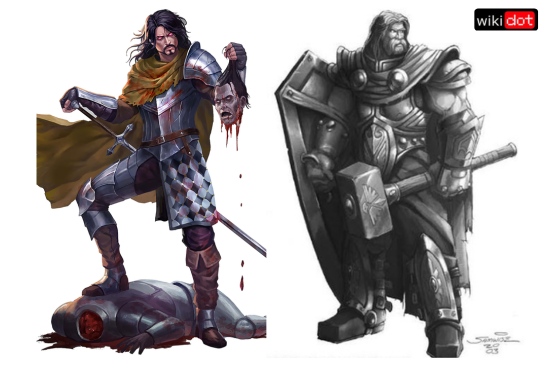
Few words carry as much weight as “paladin.” People use it to describe brave knights, modern champions of a cause, and even powerful characters in video games. But where did this word actually come from, and what does it mean today?
This article breaks down the real history of the paladin, its journey through language, and how it lives on in modern culture. Every fact here comes from verified linguistic and historical sources, so you get an accurate picture, not guesswork.
What Does the Word “Paladin” Actually Mean?
At its core, Merriam-Webster defines a paladin as a trusted military leader for a medieval prince, and also as a leading champion of a cause. That second meaning explains why you still hear the word used far outside the battlefield today.
The word traces back to the Latin palatinus, meaning “of the palace.” This term originally described officials who worked closely with a Roman emperor. Over centuries, the meaning shifted from a court title to a symbol of heroism and loyalty.
According to Etymonline, the English word “paladin” entered the language around the 1590s. Writers used it to describe one of the twelve knightly champions who served Charlemagne. The term traveled from Old French to Italian before settling into English.
The Historical Roots: Charlemagne’s Twelve Peers
The original paladins were not fictional. They were tied to Charlemagne, the King of the Franks who later became Holy Roman Emperor. Wikipedia explains that the Paladins, also called the Twelve Peers, were the foremost knights of Charlemagne’s royal court in the 8th century.
These knights first appeared in French literature during the 12th century, in a collection of stories known as the Matter of France. Writers portrayed them as defenders of Christian Europe against invading forces, much like the Knights of the Round Table in Arthurian legend.
The names of the twelve paladins vary between different medieval texts. However, two names appear consistently: Roland and Oliver. Other well-known figures include Archbishop Turpin and Ogier the Dane.
The Song of Roland: Where Legend Took Over
The most famous story involving the paladins is The Song of Roland, written sometime between 1050 and 1115. This epic poem narrates the heroic death of Roland during the Battle of Roncevaux Pass.
This legend actually connects to real events. It draws loosely from the historical Umayyad campaign into Gaul and later conflicts between the Frankish Empire and the Emirate of Córdoba. Over time, poets transformed these historical clashes into a dramatic tale of loyalty, betrayal, and sacrifice.
From Roman Officials to Medieval Knights
Simple English Wikipedia notes something many people don’t know: the word “paladin” was first used in Ancient Rome, long before Charlemagne’s era. It originally described a chamberlain of the emperor, and later the imperial palace guard known as the Scholae Palatinae.
As the Middle Ages progressed, the meaning shifted again. The word came to describe high-ranking officials in the Catholic Church and powerful nobles within the Holy Roman Empire. These nobles eventually earned the title “Count Palatine,” a term still studied in European history today.
So the paladin’s story isn’t a straight line. It moved from Roman court official, to church and imperial rank, to legendary Christian knight, and finally to a broader symbol of heroism.
Paladin as a Modern Symbol of Heroism
By the late 1700s, “paladin” had picked up a new, extended meaning. People began using it to describe any chivalrous or heroic figure, not just Charlemagne’s knights.
This usage still shows up in everyday English. The Longman Dictionary defines a paladin simply as a brave and loyal knight from the Middle Ages. News publications also use the word loosely today, describing activists or public figures as “paladins” of a cause they defend fiercely.
This flexible meaning is part of why the word has survived for over 400 years in the English language. It captures loyalty, courage, and a strong moral code in a single term.
The Paladin Class in Fantasy Games
Modern audiences most often encounter the word “paladin” through role-playing games, especially Dungeons & Dragons. According to Wikipedia, the paladin is one of the standard playable classes across most editions of D&D. It represents a holy knight who fights in the name of good and order.
Game designer Gary Gygax confirmed that this character class drew direct inspiration from Charlemagne’s paladins, Arthurian legend, and the historical code of chivalry. The class first appeared in the 1975 Greyhawk supplement as a specialized version of the fighter class.
In early editions, paladins had to follow a strict Lawful Good alignment. Breaking this code meant losing paladin abilities until the character atoned for their actions. Later editions relaxed these rules, allowing paladins to serve different gods and follow different moral codes.
Paladin Oaths and Subclasses
Modern D&D editions organize paladins around sacred oaths instead of rigid alignment rules. Each oath shapes the paladin’s abilities and worldview. A few well-known examples include:
- Oath of Devotion – focused on justice, order, and classic knightly virtue
- Oath of the Ancients – centered on nature, joy, and protecting light against darkness
- Oath of Vengeance – driven by a mission to punish those who commit grievous wrongs
According to D&D Beyond, paladins also gain a signature ability called Lay on Hands, which lets them heal wounds and cure poison using a pool of divine energy. This healing power reflects their role as protectors, not just fighters.
Why the Paladin Concept Still Resonates
The paladin has survived centuries of retelling because it represents something people admire: strength paired with honor. It isn’t just about winning battles. It’s about doing so while holding onto a code of conduct.
This is likely why writers, game designers, and even journalists keep reaching for the word. It instantly signals someone who fights not for personal gain, but for a larger cause they believe in.
Whether you’re reading medieval poetry, rolling dice in a tabletop game, or reading a news article about an activist, the paladin concept carries the same emotional core across every version.
Frequently Asked Questions
What is the simplest definition of a paladin? A paladin is a trusted, honorable warrior who fights for a cause bigger than themselves. Historically, it referred to Charlemagne’s elite knights; today, it also describes anyone seen as a devoted champion.
Were the original paladins real people? Some were based on real historical figures, while others were largely legendary. Roland, for example, is tied to a real historical figure, but many details in The Song of Roland are dramatized retellings, not factual accounts.
Where does the word “paladin” come from? It comes from the Latin word palatinus, meaning “of the palace.” The term evolved through Roman court titles, medieval church and noble ranks, and eventually became linked to Charlemagne’s legendary knights.
Is “paladin” only used in fantasy games now? No. While games like Dungeons & Dragons popularized the term for modern audiences, it’s still used in everyday English to describe passionate defenders of a cause, from journalism to activism.
What makes the D&D paladin class unique? The paladin class combines strong melee combat with divine healing abilities. Its identity is shaped by a sworn oath, which defines the character’s values and special powers.
Leave a Reply